[00:00:00] Speaker A: Foreign.
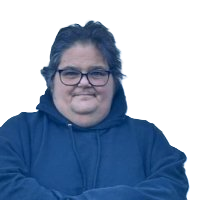
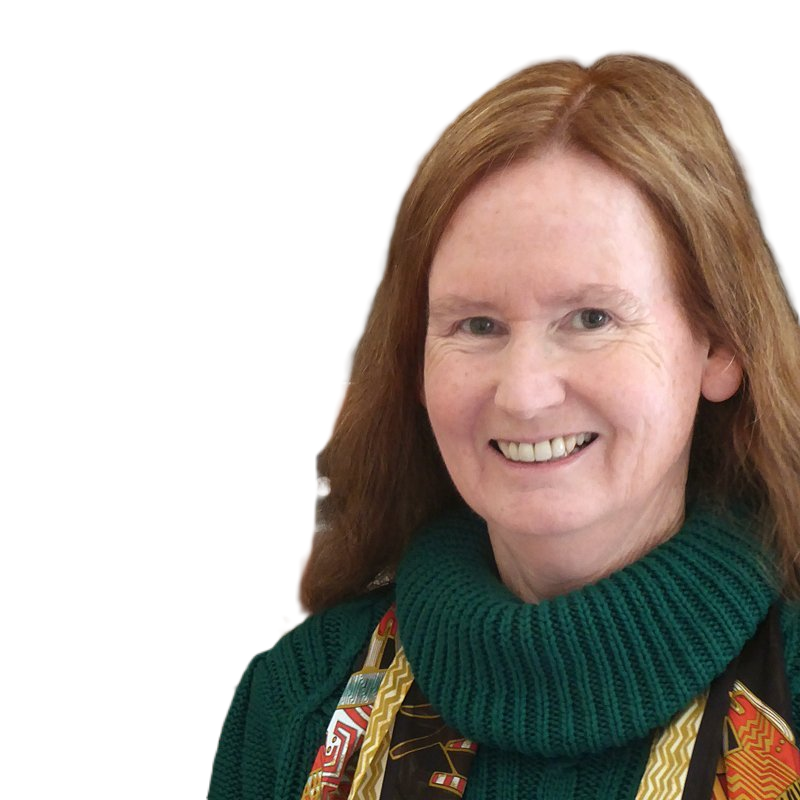
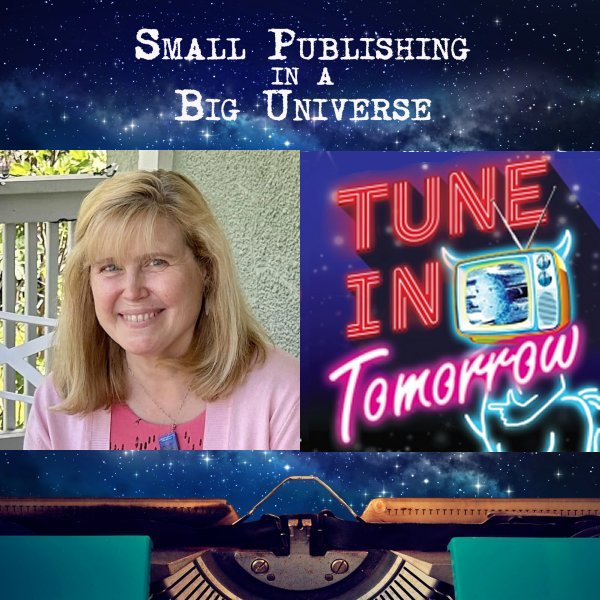
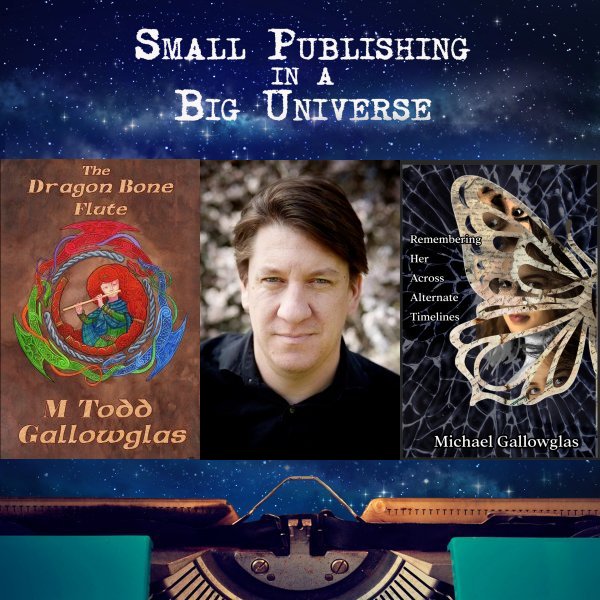
Hello and welcome to small publishing in a big universe. I am your host, lisa jacob. This month we have michael todd gallowglass coming from our sponsors this month from water dragon publishing. Stars like fields of clover by cj eric, sized by elaine midcommerce and ashes to ashes, diamonds to dust by andrew rucker jones.
From cupadero publishing, marguerite by marina montrose, damned before daylight by jessica gleason and after the solstice by amanda cecilia lang.
Young advocate Arthur Enlightenment lives in a seemingly benign society based on social harmony and cooperation. One day Grandpa Jones shows up in Arthur's office, asking that Arthur represent him. Deemed no longer relevant and a burden to society, Grandpa Jones is to be sized. But Grandpa Jones doesn't want to be sized, believing that he's still relevant and still has something to offer.
Soon Arthur believes it too. And his fight for Grandpa Jones has consequences far beyond anything he anticipated.
Sized by Elaine Midco is available in trade paperback and ebook editions from Water Dragon Publishing.
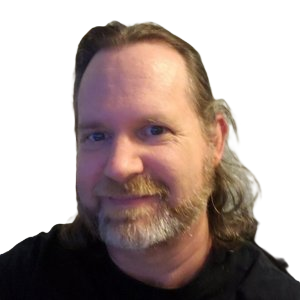
[00:01:44] Speaker B: This is Small Publishing in the Big Universe. Live from Lostcon number 50. My name is Brian Buell, a guest host and with me we have Michael Todd Gallaglass. You and I have known each other for a very long time, since God.
[00:01:58] Speaker C: Was an altar boy.
[00:01:59] Speaker B: Maybe we can back up a second and say who you are.
[00:02:02] Speaker C: So I've been a writer storyteller most of my life. I started storytelling at Renaissance fairs when I was 17 years old. I used that to branch into writing and storytelling. I've been a professional fiction writer for 13 years now because I love studying writing and nerding out about how writing works. I have three degrees, Bachelor's in Creative Writing, a Master of Fine Arts in Fiction, and a Master of Fine Arts and Poetry. I'm considering a PhD because Dr. Gallowglass sounds really cool. I'm always looking for new and interesting ways to approach writing and storytelling, which is one of the reasons why I started going into poetry as one more medium to tell stories in different kinds of forms. And these days I'm publishing equally fiction and poetry.
But always the poetry has a story focus to it. Maybe a little short one, but I've done longer form poems. But for me it's writing is writing and good writing is good writing. And I want writing that succeeds on every level. From the sentence level, the writer has made the conscious choice by how the sentences all work together to create this narrative that just takes me all the way through the end. But I also want story. I want something that has happens and that doesn't mean it has to be this Epic, world altering, epic fantasy or space thing. Sometimes it can just be about a local area. Whether it's in space or it's in a village. As long as it's something that happens, that's a significant change for the characters involved in whatever that is. But I also want the writer to tell me that story, and in an interesting way that is unique to the way that story is working. And that's what I bring to my teaching, is I've created a curriculum that is about how to integrate all that together in, I don't wanna say simple but directed vocabulary. Not only can a writer look at their own work and go, how do I make this stronger? But it's also a lens through which writers can look at other writers work and go, why is this not working? Something here is not working, something's not resonating. Things in this story aren't meshing up. They can use like my four principles of writing to either figure out, oh, why is this not working? Oh, they're not doing this. Or if something's really speaking to them, using the four principles to actually break it down and go, how is this working? Why am I having this great reaction to this piece and not copy what the writer did, but emulate the techniques of what that writer did to enrich their own narratives from the sentence level to the macro story level.
[00:04:56] Speaker B: Is it safe to say that when you're teaching, you're using the four principles to guide your students to also look at not only their fiction, but other fiction in new ways to follow in the same kind of journey that you're taking?
[00:05:08] Speaker C: Not necessarily. I use the principles to expand on what I've previously done and what other writers haven't done.
However, I don't want to dictate to students their journey. I want to give them tools that will assist them in following the journey that they're interested in following. But if somebody wants to write another super huge epic, Game of Thrones, Wheel of Time Store Light Archives epic fantasy, I don't want to tell them not to do that. My curriculum is not about doing that. My curriculum is how do they then tell the absolute best epic scale fantasy, multi volume fantasy that they can do? Because there's new ways to tell that story in a way that's engaging, that maybe somebody hasn't explored before. I want writers to have the tools to be able to follow their dreams and create the stories that are resonating in their hearts. And I think that's one of the biggest challenges coming from academia is too many academics want to tell people this is the kind of story that you should be writing. I got that a lot being a genre writer in academy, especially in my undergrad.
[00:06:22] Speaker B: I think if you were to grab any writer out of the hallway and ask them, they would probably come back with something that resembles imposter syndrome. So what advice would you have for them to turn that around so that they could use the confidence and get past the imposter syndrome and do the work?
[00:06:38] Speaker C: It's kind of hard for me to answer that question now without seeming like I'm a little disingenuous, because I'm not one of the super huge big names, but I'm invited to cons, and people buy my books and tell me they love my books. So it's hard for me to do the imposter syndrome thing because I don't feel like an imposter anymore. But that lies into the difference between confidence and ego.
One of the things that helped me with that, and I'm not saying anybody else needs to go and do this to be a success of any kind in writing, but going and getting my degrees, where I got my degrees, really helped with me being able to go, no, I know my stuff.
I'm good at this. One of the things in my own personal writing right now that's really kind of lifting me up is I'm doing a daily poetry thing this year. When I write a poem, I. I can go, oh, yeah, I need to tweak a couple of things and that poem's ready. Or I write the poem, I'm like, oh, that's going in the shelf. Because I need to distance myself from that first draft. But there's something in there, and I don't know what that something in there is. And if I try to re explore it right now, I'm gonna muck it up, and then I'll go back to it and be able to go, let's let that part of the poem breathe and see what that does. And I do that with my poetry. And I'm thinking that I'm starting to get to that point with my fiction because I put one of my novel projects aside because there was some jumbly stuff in my imagination about how to proceed forward. Okay, let's put it aside. Then we'll come back to it and reread it and then see what seeds I'm planting that I need to water.
[00:08:24] Speaker B: I'd like to end with. What advice is your favorite to give to new writers? Or that's your favorite advice to give?
[00:08:29] Speaker C: I'm going to give two for the longest time. One of the best pieces of advice I was at a world fantasy convention. I was 26, wet behind the ears. Just I don't want to say who because I may misquote who gave me the advice.
Don't quit your day job. What's the best advice you'd have for a young up and coming writer? And somebody told me, have a life so you have something to write about.
And then the one that I've learned that comes from my own experience of being a writer is figure out your process.
How is it that you do the writing no matter what that is and no matter what anybody else tells you? Your process is your process and it's right for you. If you're getting the words done, figure out your process and fall in love with that because that's the thing that's going to keep you going when the imposter syndrome and the insecurities are going. So have a life so you have something to write about and then fall in love with the process of having something to write about.
[00:09:30] Speaker B: Thank you very much.
[00:09:31] Speaker C: Oh, my pleasure man. Thanks. This has been fun.
[00:09:51] Speaker A: Aim to Prefer Daylight by Jessica Gleason what do an ambitious young professor and a flighty bohemian copywriter have in common? Unlikely friendship Nights out in Milwaukee, vampire bites, tragic young death and being thrust into a supernatural turf war. After an end of the semester night on the town, mage and rave wake up sans heartbeats and feeling less than best. They're locked up in a clammy old basement in their Underoos. When Andrew, the leader of one of Wisconsin's oldest vampire families, comes to release them from their prison, their lives go off the rails. Will they stay or join one of the vampire families?
Will they throw reason out the window for a chance at vampire happily ever after?
Or, as is their way, will they muck everything up? Damned Before Daylight by Jennifer Gleason is available in paperback, hardcover and ebook editions available at Smashwords, Kobo and Amazon and other online booksellers. Or support your local booksellers by going to bookshop.org.
Thanks again to our guest. Also thanks to our guest host, Brian C.E. buhl. We plan on publishing a new episode every month. If you want to know more about small publishing in a big universe, visit our
[email protected] and subscribe to our newsletter. Send us your feedback by using the Contact Us link Like Us on Facebook @SPBUpodcast.
To find out more about the books and other products featured during this episode, please visit the Small Publishing in a Big Universe
[email protected] this podcast was recorded and edited by Lisa Jacob. Executive producer is Stephen Radecki. Theme and ad music is provided by Melody Loops. This month's episode was sponsored by Cupadero Publishing and Water Dragon Publishing. You can listen to our podcast on Apple Podcasts, Spotify, Amazon Music and most of your favorite podcast services.
Thank you very much for listening and see you next month.