[00:00:00] Speaker A: Foreign.
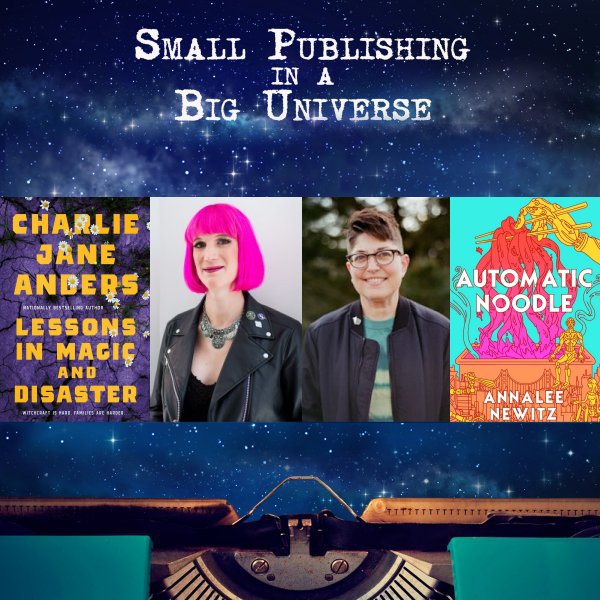
[00:00:08] Speaker B: Hello and welcome to small publishing in a big universe. I am your host, Lisa Jacob. This month we have special interviews with authors Charlie Jane Anders and Annalee Newitz.
From Water Dragon Publishing this month we have Tad by MD Nu.
And from out the Tower Window by Kenzie Leong.
Coming from Cupid's Arrow Publishing this month, dalliances for summer 2026.
And the rabbit from Kristin Cl.
Dalliances is a summer 2026 anthology from Cupid's Arrow Publishing with assorted authors experiencing love in all its forms. Is available in hardcover, paperback and ebook editions. Or support your local booksellers by ordering
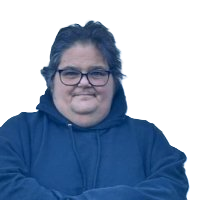
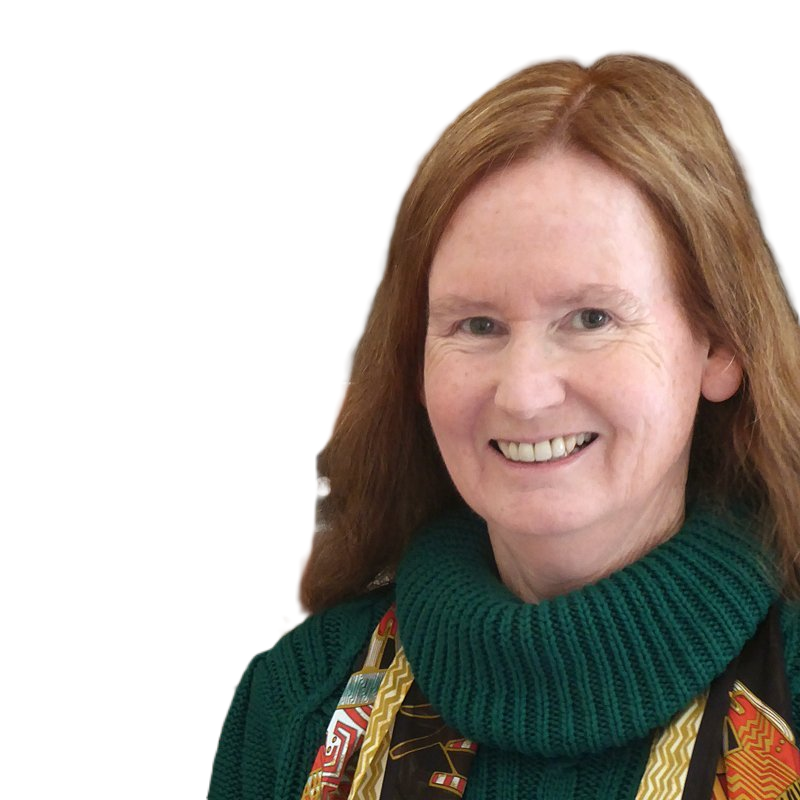
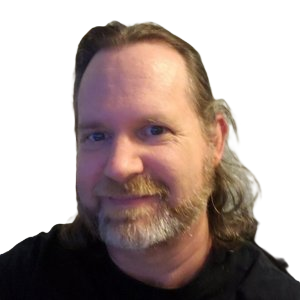
[00:01:15] Speaker A: it through bookshop.org this is Vanessa McLaren, Ray and Brian Buell all together live from Bacon 2026. And you will not believe who we have with us. Brian, would you dare introduce our guests?
[00:01:40] Speaker C: We have our guests of honor.
[00:01:42] Speaker D: I'm Annalee Newitz.
[00:01:44] Speaker E: I'm Charlie Jane Anders.
[00:01:46] Speaker A: Sque.
[00:01:48] Speaker E: It's so lovely to be here with you.
[00:01:49] Speaker D: It's really great to have you here in the nice shady spot outside the Khan Hotel.
[00:01:55] Speaker A: My first question is always this. Is this your first Baek con? And are you having a good time?
[00:02:01] Speaker E: No and yes.
Yeah, no, we. I've been going to bacon on and off since 1999, more off than on, because for a long time it was the same weekend as Wiscon, which is a con that I pledged my heart to. But I love bacon. And I'm so happy to be back. And I've just had such a wonderful weekend. Everybody's been so amazing. We've had such great conversations. The panels have been delightful. All the. Just the interactions with people have been so great.
[00:02:28] Speaker D: Yeah, it's also not my first bacon. I think I was last here, though, possibly two decades ago.
And the vibes are the same. It's a lot of people who are really interested in science and technology as well as making stories up about them. And that's my favorite place to be is right at the intersection between what's possible and what comes when we imagine new things about it.
[00:02:51] Speaker A: Yeah, it's very Bay Area, very Silicon Valley.
[00:02:54] Speaker C: Do you have any standout moments so far this weekend that really made this event pop, man?
[00:02:59] Speaker E: I mean, some of the cosplay we've seen has been pretty incredible. There was spy versus Spy cosplay that I'm super, just, like, obsessed with.
And yeah, some of the panels have been just really, really great. The Frankenstein panel that Analia was on was just phenomenal.
[00:03:15] Speaker D: I think one of the things that's really nice here is That a lot of the panels go way beyond kind of fandom 101. People are really able to like take a deep dive into the subject at hand. And the audience is always really knowledgeable too. And it's one of the few cons I have to say where I invite comments from the audience. Usually I'll say like, please phrase your comment in the form of a question here. I'm like, actually, I really want to hear your guys comments and reactions. It's very, very cool. It's really a nice just place to. To chat and come up with new ideas.
[00:03:49] Speaker E: Oh, and the Afrofuturism Lounge, that was one of the things I was so blown away by last year when I came. The Afrofuturism Lounge is such an amazing space and it's just so welcoming and so just you just learn a lot. They have some great programming in there and the people running it are just phenomenal. It's just such a great space.
[00:04:05] Speaker D: It's full of art and people's poetry and jewelry and so it's just like a mini con that's welcoming us in. It's so great and good. Music walked in there and it was just funky music playing. And I immediately was like, okay, this is my home planet.
[00:04:20] Speaker E: I feel so happy to be when every time I can stop by the Afrofuturism Lounge, I feel super happy.
[00:04:26] Speaker C: You're no strangers to this convention. You're the guest of honor. But to anybody that you may be new to on our podcast, how would you introduce yourselves to them and what were you best known for in that regard?
[00:04:37] Speaker D: We're both gesturing at each other, trying to figure out what are you best known for. You go first. You go first. I think a lot of people for encounter, Charlie Jane and I, because we ran io9, which was a blog that covered both science and science fiction. And Charlie Jane headed up our entertainment coverage just incredibly well. And so anything you read on there about like a new movie or a book or TV show was all my fault. All of Charlie's fault. And I headed up the science and technology coverage. So if you learned about weird new stuff happening in space or nanotechnology, that was my fault. And of course we crossed over all the time. I love writing about pop culture and Charlie loves science. And so we definitely blended. And I think a lot of people got to know us through that.
[00:05:24] Speaker E: Man, that feels like a long time ago.
[00:05:26] Speaker D: It was a long time ago. I mean, blogs were are of the past now and then. That was how we both launched our book careers. You know, we Both had publishers reach out to us because of io9 and
[00:05:37] Speaker A: say, hey, do you have.
[00:05:38] Speaker D: Do you have books? And that's certainly how I got Tor interested in publishing Autonomous. My first novel.
[00:05:45] Speaker E: Yeah, we both published a bunch of books. My most recent book is called Lessons in Magic and Disaster, which is about a young trans woman teaching her mother how to be a witch. And it's, you know, that was super fun. It's been really happy to see. To see people picking it up here and signing for folks and working on a Star Trek comic right now called Star Trek Zero Point, and that starts this fall.
And. Yeah. What's your most recent?
[00:06:08] Speaker D: And I think in terms of my books, I'm probably best known for. I write both nonfiction books as a science journalist and then science fiction novels and novellas. Probably my best known nonfiction book is called Four Lost A Secret History of the Urban Age, and it's an archaeology book about why people abandoned four ancient cities that were at the center of their civilization. Looking at cities like Angkor, for example, which was at the heart of the Khmer civilization, why did people love that city? Why did they leave it?
So people seem to like that. People tell me that it's a dad book. A lot of dads like that book, which is great. I love dads. And probably my best known book right now that's fiction is called Automatic Noodle, which is about what happens after California secedes from the union and a group of robots are trying to open a restaurant, even though they have very limited rights as California citizens because they're robots. So they're trying to deal with robophobia and being entrepreneurs. It's hard, hard life.
[00:07:14] Speaker A: I was drawn today and over this weekend, Charlie Jane, by your book, never say.
[00:07:20] Speaker E: You can't say, oh, yeah, yeah.
[00:07:22] Speaker A: I just found that so inspiring.
[00:07:24] Speaker D: Oh, thank you.
[00:07:25] Speaker A: Because it's kind of a song for writers to think about why you write and.
So tell me.
Or tell us how you came to sit down and write that, because that cannot have been that. That's not just a dash off some notes to your friends.
[00:07:42] Speaker E: No, I mean, that book was such a. That was such a huge and awesome project. I was so happy I got to do it that actually I'd been wanting to write a book. Back when we did io9, I did writing advice on the website. Sometimes that was just. I felt like doing it and people sometimes really liked it.
[00:07:56] Speaker D: It was. Those were always really, really popular posts.
[00:07:59] Speaker E: Thanks. Yeah. And so.
[00:08:01] Speaker D: And good.
Not just popular, but also good. Which they don't always go together, but yeah.
[00:08:06] Speaker E: Yeah.
I tried a few different ideas for writing advice books, but that was the one that really kind of stuck for me because it felt like it was something that I really believed in that, you know, creative writing can help you to deal with, and just creativity in general can help you to deal with really scary, awful times in your life or in the world at large.
And so I finally pitched that to Tor, and I was like, what if we, you know, what if we serialize it on the website and then turned it into a book? And.
And they were into it. And then, as happened, we serialized it mostly during 2020, which was a very challenging time for a lot of people.
And it was actually good for me to just have this kind of occasion to think about, you know, writing and why writing can be so helpful and so empowering and just creativity in general and using your imagination can be so kind of, like, positive for. For people when things are really hard. And it was just. It was actually. It was challenging because I had to keep writing new chapters, like, pretty regularly, but that was actually good to, like, force me to. To keep doing it. And, yeah, I. I had such a. I found it really helpful to. To have that as an exercise during 2020, and then I polished it up in 20, and it was published in 2021 as a book.
And I did the audiobook, which was also a huge challenge. But it's just meant so much to me that people have found that book and have, you know, connected with it on so many levels and have gotten. I get emails to those people who have had really rough times in their lives, and that book has helped, and it just means a lot to me to hear that.
[00:09:43] Speaker D: Also, Charlie Jane is just really great at thinking about how stories are put together. Like, I've learned so much from you about. When I first started writing fiction, I would talk to her about character development especially, and she had such incredibly insightful things to say about how you invite a reader to understand a character. And I can remember us talking about autonomous, and you were just like, no, the character needs to do this and this and this. And I was like, no, no, not in a mean way, but, like, in a. Just like, you need to, like, think about this issue with the character. And it was so. Just really helpful. And I mean, so having that book allows people to get a little bit of that kind of feeling of advice from Charlie Jane that I can get just by forcing her to sit down for dinner with me.
[00:10:28] Speaker E: There's no forcing.
[00:10:30] Speaker D: I mean, inviting you to sit down.
[00:10:32] Speaker E: There's never Any forcing?
[00:10:35] Speaker C: Well, I usually. At the end of these things, I usually ask, you know, what is your favorite writing advice that you would give to somebody? Something like you wish you had known when you were first starting, or, you know, the favorite thing you pull out of your pocket to give to somebody. That's new. I mean, this seems like a good time to ask that, I guess. So what is the. Your favorite nugget of writing advice that you would give to.
[00:11:00] Speaker E: You know, in terms of writing advice, I think it really is about finding the emotional core of the story and, like, the thing that the characters care most about, the thing that you want the reader to really care about that's gonna, like, keep carrying you forward throughout the story. But I want to hear yours.
[00:11:15] Speaker D: Well, I think that's a really great piece of advice. I was thinking about when I was first starting to write, which is when I was in high school and I was making my first fumbling attempts at writing stories.
And the thing that I kept getting hung up on was like, am I really a real writer?
You know, am I really.
And my mom was an English teacher, and I told her, like, I'm like, I don't know if I'm really a real writer. And she was like, do you worry if you're a real writer? I was like, yes. And she's like, you're a writer.
And I think that that's really important to keep in mind that if you're thinking about your writing and you're worried about being a wr.
There you go. You've made it.
[00:11:59] Speaker A: So anxiety is the litmus test.
[00:12:01] Speaker D: Yeah. Yeah. I feel like anxiety about whether you are a writer is a true sign of being a writer. And always, I feel like then that means we should be a little sus, you know, when it comes to someone saying, like, of course I'm a writer. And it's like, but are. You
[00:12:17] Speaker A: don't seem anxious enough to be.
[00:12:18] Speaker D: Yeah, exactly.
[00:12:19] Speaker C: It's definitely a place for confidence. But I think there's. There's a huge grain of truth about, like, evaluating, self evaluating, looking for those places that you can improve, trying to make the best story that you can. So, yeah, I think that that's always
[00:12:33] Speaker D: being skeptical of yourself a little bit. Yeah, exactly.
[00:12:36] Speaker C: Having some humility in that area.
[00:12:37] Speaker D: Yes.
[00:12:38] Speaker A: So maybe a related question might be is, what are you working on now to help you improve your writing or your stories?
[00:12:48] Speaker D: Man, you go, so. One thing I've been working on a lot is pacing.
And my editor at Tor, Stephanie Stein, is really good at helping me think through pacing and with automatic noodle. I did this thing that I often do in first drafts, which is I know what's going to happen in the story. So I front load everything. It's like, and then this and this
[00:13:09] Speaker A: and this and this.
[00:13:09] Speaker D: And then, like, there's no surprises because you sort of know everything that's going to happen. And it's just I'm learning to get much better at, like, holding back details and seeding details slowly in a story.
And I do really feel like I've improved a lot. And a lot of it has to do with just thinking like a reader instead of thinking like a writer. Because when you're a writer, everything takes forever to write. So you feel like, man, six weeks have passed since this one event happened in the story. But for your reader, it's like five minutes. And so it's really important to always be thinking about, like, what is the experience of reading? How will that come to be in terms of pacing versus the pacing of a writer, which is always, like, everything takes forever because every sentence is a pain in the ass.
[00:13:59] Speaker E: Yeah. I mean, in terms of me, like, getting. I'm glad you answered first because it gave me time to think, but also, I love that. And pacing is really hard. It's just always hard. Incredibly hard. It's so hard. But in terms of, like, me getting better as a writer, I feel like something that I like to do that I do a lot is start a thing, start doing a thing that I don't know how to do that I've never done before, and be a novice again, because that kind of makes you keep thinking on your feet. So, like, you know, right now I'm doing some comics. Like I said, I did the start. I'm doing the Star Trek comic. That's a. I'm still, like, I've been writing comics for a bit now, but I still have a really steep learning curve in terms of just like, actually stuff like pacing. Like, how much can you fit into a page of comics? And that partly as a function of how good your communication with your artist is, because some artists can fit a lot into a page if you communicate clear with clearly with them. And some artists, no matter what you do, that's not going to work. But you have to learn how to make the story flow. Like, every page has to be legible and has to be like, there has to be something that happens on the page that's like, kind of what you're drawing the eye to.
And, like, what's the most important thing on the page and how are you going to guide the reader through the page and just like, how is each page going to like, lead to the next page and just all that kind of stuff. And I'm still having like light bulb moments the whole time about, like, how to kind of keep the reader engaged, so to speak, in my Star Trek comic.
And, you know, same thing with writing Hollywood stuff, like writing screenplays or TV scripts. It's just, it requires such a different way of thinking, thinking about story and thinking about the visual elements. And like, you know, you're not just writing for a reader, you're writing for other people who are going to bring it to life.
[00:15:46] Speaker D: Yeah, a lot of it really is thinking about your audience and remembering who is going to be reading it and how it will feel to them. And I mean, you can't predict always how people will respond, but you can try to put yourself in their position and imagine what's going to make them have fun or feel sad or feel happy.
[00:16:05] Speaker C: Be thinking of our audience right now and thinking kind of of the times that we're trying to work through and trying to write through.
These are tough. These are some tough times. Some of the most interesting times that we've certainly. My lifetime. And now looking at you, you've got what a lot of artists and writers would measure as like a top of the success. Right. You have a lot of success. But I know that I'm going to assume that not all of that has been easy and that you've had your own times that have been tough to work through.
So we're working through some tough times now. What advice do you have for people listening right now that are struggling and how, like, what did you do in order to get through those tough times, to get to where you are now? And maybe it's very general, maybe it's some specific examples.
However you want to answer, I think.
[00:16:55] Speaker E: I mean, you just have to roll with it and like, there's many different kinds of tough times, especially in writing and publishing. And sometimes it's just you, you have a project that doesn't work out or you have, you know, there's a million different ways that things can kind of get a little bit off track. And you just, you have to just kind of cultivate a. You have to be aware that it's not a sprint, it's a marathon. And you have to kind of just kind of keep yourself able to keep doing this for the long term. But also just like, you know, remember that you're part of a community and an ecosystem. And that other writers are also struggling and that we're all in it together kind of. And that's. It's not just like, you know, and that we're all trying to, like, support each other, but also just love all the stories that other people are selling and, you know, and believe in your stories enough to just keep doing it, even when there's setbacks.
[00:17:47] Speaker D: I really agree with Charlie that it's important to remember that we're in an ecosystem of writers and that anytime, you know, you have success, it's important to help other people also achieve success. It's really important to help each other out. The other thing I'll say for me as a writer is I always have a plan B, a plan C, a plan B, a plan E. Like, if this one falls through, I've got this to fall back on. If this falls through, I've got this to fall back on. And I've always taken that approach. And I'm not.
I try to stay as humble as possible and not be picky about what kind of writing work I get. And just like, you know, if I plan F, that's cool, maybe I'll get back to plan A, maybe not. But either way, I'm tricking people into giving me money to write. And that is the most beautiful thing. It's so great.
[00:18:34] Speaker E: That is the really good point. Yeah. And that's. It's good to just, you know. Yeah. Don't get too attached to one vision of what your life or your career is going to be like. That's really, again, easier said than done, but.
[00:18:45] Speaker D: Yeah, but always have another plan.
At least two other plans, really.
[00:18:49] Speaker C: You've been very generous with your time, Vanessa. Do you want to, like, give a.
[00:18:52] Speaker A: We appreciate it so much. Yeah.
[00:18:54] Speaker D: Thanks for chatting.
[00:18:55] Speaker A: We should ask you, while we have you on record, where can people find you, like, in the next six months? What. What's upcoming news that people should watch out for?
[00:19:06] Speaker D: I have a book coming out in October called A wall is also a Road and I will be on book tour for that. I'll be on the east coast and I'll also be in September. I'm going to be at Rose City Comic Con and Fan X Salt Lake. So if you're at either of those, come and say hi. Excellent.
[00:19:22] Speaker E: Yeah, I have my next book, comes out in April, and it's called or not. Actually, don't. Not April. Sometime in spring, summer 2027. And it's called good things are coming your way. That's the title that I'm hoping we stick with and I also have a Star Trek comic coming out this fall called Star Trek Zero Point.
And I'll be around. I'll be at worldcon and World thank you so much.
[00:19:53] Speaker B: The Rabbit by Kristin Clark A champion marathoner saddened by injury, Marley J. Glassingane is stuck at rock bottom when her endorsement company assigns her work as a pace rabbit at the Ranover Beach Marathon. She agrees, not expecting a mountain of a man to join her group. And he's got the most incredible dimples.
Meanwhile, engineer Everest Lambert is tall like a mountain, and he's been training diligently in an effort to heal a broken heart. What he doesn't bargain for is a rabbit with a swinging auburn ponytail. Marley J and Everest soon discover that love is a marathon. Will they reach the finish line? The Rabbit by Kirsten Clark is available in hardcover, paperback and book editions from Cupid's Arrow Publishing or support your local booksellers by ordering it through bookshop.org.
Thank you to our special guests, authors Charlie Jane Anders and Annalee Nuitz. We plan on publishing a new episode every month.
If you want to know more about small publishing in a Big universe, visit our website@spbus podcast.com and subscribe to our newsletter. Send us your feedback by using the Contact Us link and like us on Facebook @SPBUpodcast.
To find out more about the books and other products featured during this episode, please visit the Small Publishing in a Big Universe
[email protected] this podcast was recorded and edited by Lisa Jacob. Executive Producer is Steven Radecki. Theme and ad music is provided by Melody Loops.
This month's episode was sponsored by Cupid's Arrow Publishing. You can listen to our podcasts on Apple Podcasts, Spotify, Amazon Music, and most of your favorite podcast services.
Thank you very much for listening and talk to you soon.
[00:22:10] Speaker A: Sam.